


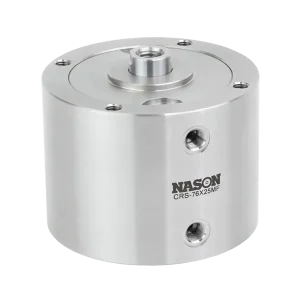


Field-adjustable pressure switches are an integral part of a multitude of applications, from HVAC systems to industrial machinery and fluid systems. These switches assist in managing pressure levels by opening or closing the circuit when predetermined pressure limits are reached. Failure to properly adjust pressure switches can result in inefficiencies, equipment failure, or worse, safety hazards that put people in danger.
In this guide we will walk you through the right way to adjust field-adjustable pressure switches, for proper performance of the system and longevity.
The basics of pressure switches explained
How pressure switches work
A pressure switch senses the pressure of a system and initiates an electrical response once the pressure reaches a predetermined level. This mechanism helps control pumps, compressors, and other equipment that are dependent on accurately regulating pressure.
Key components
- Setpoint: The pressure at which the switch turns on or off.
- Differential (deadband): The range of pressure between activation and deactivation.
- Reset points: The pressure levels at which the switch resets after being activated.
Types of pressure switches
- Electromechanical pressure switches: These switches use mechanical elements like diaphragms or springs to monitor pressure changes.
- Solid-state pressure switches: Utilizes electronic sensors for improved precision and reliability.
Preparation before adjustment
Safety precautions
Take the following safety precautions before changing a pressure switch:
- Adhere to lockout/tagout procedures to prevent any accidental activation mistakes.
- Ensure the system is depressurized to prevent sudden pressure spikes.
- Use personal protective equipment (PPE).
Tools needed
- Adjusting tool (usually a screwdriver or wrench)
- Pressure gauge for pressure verification
- Multimeter for checking electrical continuity
Identifying current settings
Take note of the original switch settings before adjusting and check them against the system requirements.
Step-by-step adjustment process
Adjusting the set point and reset point
- Find the pressure switch adjustment screw or knob.
- Use a pressure gauge to measure the current system pressure.
- Tightening or loosening of the screw adjusts the cut-in pressure (lower threshold). Rotate clockwise to increase setpoint or counterclockwise to decrease setpoint.
- Adjust the cut-out pressure (upper threshold), ensuring it meets system requirements.
Setting the differential (deadband)
- Determine the differential control adjustment (if separate from the primary setpoint control).
- Adjust the differential to cycle less often or more sensitively with more rapid switching.
- Run a couple of cycles through the system ensuring the differential is not too far off the optimal range, avoiding excessive cycling or lag.
Fine-tuning and testing
- Cycle through the system to ensure switches are functioning.
- Monitor the switch response and check for stability.
- Repeat this process, adjust as needed, and retest until the desired performance is reached.
Troubleshooting common problems
Pressure switch is not responding to adjustments
- Look for dirt, debris, or corrosion that may be hindering the switch operation.
- If the switch has electronic control, check the wiring connections.
- Ensure system pressure readings are accurate. Many systems have a pressure port that can be used to verify pressure readings.
Overly frequent cycling or failure to switch
- The differential setting can be adjusted accordingly to prevent unnecessary cycling.
- Verify the switch can handle the pressure range of the system.
- Check if there are any leaks or pressure drops/disruptions in the system.
Inconsistent pressure readings
- Test the pressure gauge to ensure it’s accurate.
- Look for a worn-out diaphragm or sensor.
- Check that environmental conditions (temperature, humidity) are not interfering with performance.
- This can be done by using a thermometer to measure temperature variations and a hygrometer to monitor humidity levels.
Best practices for long-term performance
- Provide routine maintenance while maintaining cleaning and recalibration.
- Take environmental factors such as vibration, temperature extremes, and humidity into consideration.
- If you notice that the switches are failing often or behaving strangely, replace them.
A field adjustable pressure switch ensures efficiency, safety, and longevity of equipment when used properly. Most importantly, as per the steps mentioned, you can help enhance system performance and avoid costly failure. Always follow the manufacturer’s guidance or instructions for specific switch models, and, when in doubt, consult an expert like us.
With more than 70 years of experience, Nason has the expertise to provide you with the best solutions. If you have questions about pressure switch maintenance or troubleshooting, contact us today.

 FOLLOW US ON LINKEDIN