


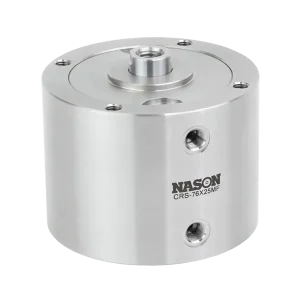


In automotive, HVAC, and healthcare industries, pressure switches serve as an essential component to control pressure levels in applications. Along with pressure sensors, transducers, and transmitters, these components help maintain safe and efficient operations with pressure-sensing technology.
The pressure is on: understanding a pressure switch
Understanding what a pressure switch does means recognizing its primary function: monitoring and regulating pressure within systems. These devices identify changes in pressure and trigger a specific response like, ceasing equipment operation or triggering an alarm. Key components of a pressure switch include:
- Diaphragm: Used to measure pressure. It’s typically soft and sensitive to pressure.
- Spring: Used in setting the high and low limits or threshold.
- Lever: Used in activating or deactivating the switch.
- Electrical contacts: Allow current to flow through them from a power source which is not part of the switch.
- Terminals: Provides connection between the power source and the contacts.
What’s your type? Types of pressure switches
Exploring pressure switch types shows a variety of pressure switches for different uses:
-
Mechanical pressure switches
Mechanical pressure switches are the simplest version, employing basic parts including springs and diaphragms. These switches are most useful in applications where reliability and low cost are essential.
-
Electronic pressure switches
With features like a digital display and programmable settings, electronic pressure switches are compatible with modern systems. They provide higher accuracy and are commonly used in automation.
-
Differential pressure switches
Capable of monitoring the pressure between two points, differential switches are essential in filtration as well as HVAC systems.
The working principle of pressure switches
The pressure switch function is to measure the pressure and then respond when certain thresholds have been achieved. In mechanical switches, this process is done through physical deformation of diaphragms, for instance. In the case of electronic switches, pressure is converted to electrical signals using sensors for enhanced control.
Where pressure switches work: applications
Knowing where pressure switches are used showcases the diversity of this component.
- Automotive industry: Maintains proper oil pressure
- HVAC systems: Regulates pressure for energy efficiency
- Industrial equipment: Protects from overloading and ensures safety
- Medical devices: Offers precise pressure sensing for complex uses
What about the others? Transmitter vs. transducer vs. sensor
It is important to understand the difference between a pressure transmitter, transducer, and sensor in the pressure measurement field:
- Pressure sensor: This is a basic electrical signal which is produced as a result of pressure. Pressure sensors are limited in that they produce raw signals.
- Pressure transducer: Provides a measurable analog signal useful in detailed monitoring of the system. Pressure transducers enhance the signal for more extensive uses, thus being ideal in challenging setups.
- Pressure transmitter: Amplifies signals for transmission over long distances while enhancing data reliability.
Which choice is the right choice? Choosing the right pressure switch for your application
To avoid mistakes when selecting a pressure switch, factors that should be considered include accuracy, the environment in which it is to be operated, and cost. When dealing with complex systems, it is advisable to get professional advice to ensure optimal performance and longevity.
It is important to understand the various types of pressure switches, principles of operation, and the applications of these components to use them effectively. Explore our website to select the best pressure switch for your application, or even better, fully customize it with our configurator tool.

 FOLLOW US ON LINKEDIN